For Taiwan semiconductor and technology companies, U.S. expansion is not simply a question of where to lease space. It is a question of how to build an operating platform.
Arizona has become one of the most important answers to that question.
The Arizona Commerce Authority reports that Arizona has won more than 60 semiconductor expansions since 2020, representing more than $210 billion in capital investment. The ACA also identifies Arizona as a leading semiconductor state and describes the state as home to one of the world’s most advanced semiconductor ecosystems. (Source: ACA Semiconductor Advantages)
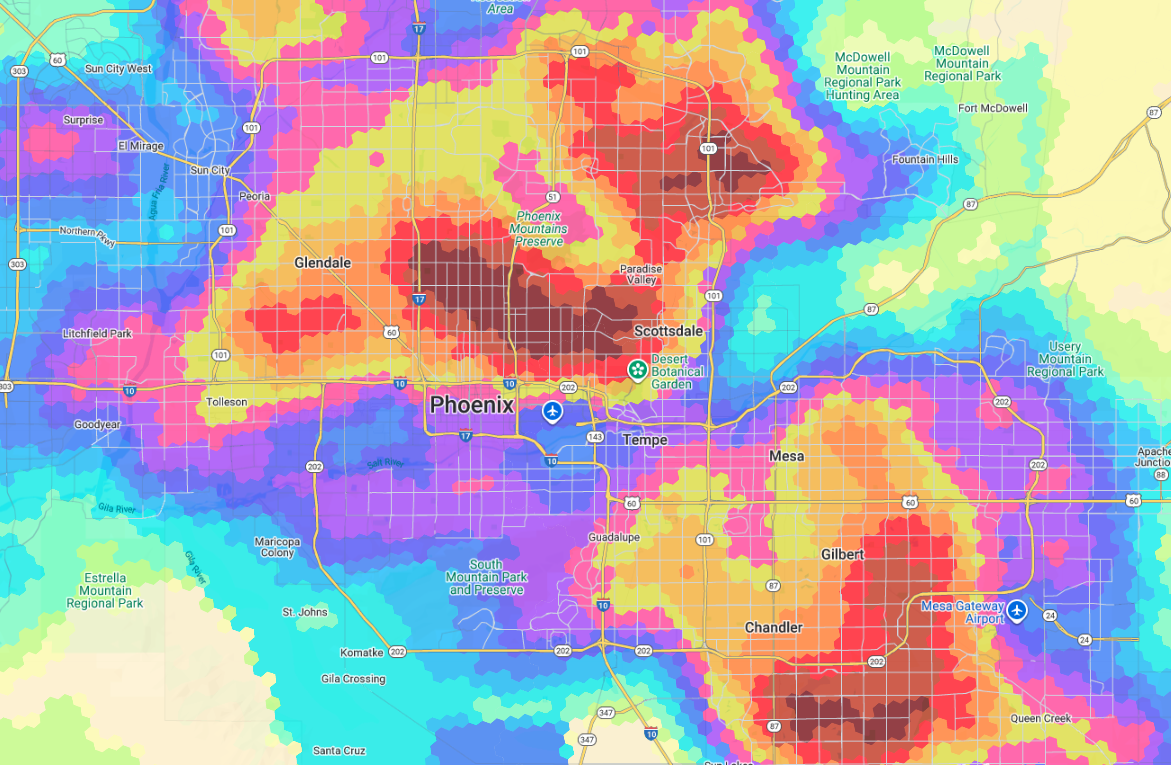
That momentum is not accidental. Arizona has the ingredients semiconductor and technology occupiers need: major chip manufacturers, suppliers, equipment companies, materials providers, workforce programs, universities, infrastructure investments, and a business environment designed to support advanced manufacturing.
The Opportunity Is Clear. The Execution Is Complex.
For Taiwan companies, the U.S. market offers proximity to major customers, supply chain diversification, greater resilience, and access to federal and state-level policy support. Arizona adds something even more practical: a maturing semiconductor ecosystem where companies can scale.
But the path from interest to operation is complex.
A Taiwan-based company entering Arizona may need to evaluate office space, warehouse space, engineering space, cleanroom conversion, manufacturing facilities, land, build-to-suit opportunities, temporary space, and long-term expansion options. Each decision affects cost, speed, hiring, incentives, utility access, and future operating flexibility.
That is why commercial real estate must be addressed early.
The first question should not be, “What buildings are available?” The better question is, “What real estate strategy gives us the best chance to operate successfully in the U.S.?”
Six Real Estate Questions Every Taiwan Tech Company Should Ask
1. Can the site support our utility requirements?
Power, water, wastewater, gas, cooling, compressed air, fiber, and backup systems must be vetted before a site is shortlisted. Advanced users cannot assume every industrial building can support their requirements.
2. Is the use compatible with the building and municipality?
Semiconductor-related users often have specialized needs: cleanrooms, lab areas, process chemicals, vibration sensitivity, air handling, floor loads, security, hazardous materials storage, and wastewater treatment. These requirements can eliminate otherwise attractive properties.
3. Are we in the right part of the ecosystem?
Being “in Arizona” is not specific enough. Companies should evaluate proximity to fabs, suppliers, airports, logistics corridors, workforce clusters, housing, training partners, and customers.
4. Can the site support speed and phasing?
Some companies need immediate space for executives, engineers, or field service teams. Others need a phased path from office to lab to manufacturing. Real estate should support market entry and long-term growth.
Arizona offers several programs that may materially affect project economics. The ACA’s Qualified Facility Tax Credit supports eligible headquarters, manufacturing, and manufacturing-related R&D facilities. (Source: ACA Qualified Facility Tax Credit)
5. Does the real estate decision protect incentive eligibility?
The Quality Jobs Tax Credit supports companies creating qualifying jobs and making capital investment, offering up to $9,000 per net new qualifying job over three years. (Source: ACA Quality Jobs Tax Credit)
Foreign Trade Zone benefits may also matter for companies with imported equipment, materials, and global logistics needs; the ACA states that eligible businesses in a zone or sub-zone may qualify for up to a 72.9% reduction in state real and personal property taxes. (Source: ACA Foreign Trade Zone)
6. Do the lease terms support growth?
Expansion rights, renewal options, tenant improvement allowances, delivery obligations, operating expense protections, assignment rights, and landlord responsibilities can have major long-term financial consequences.
Keyser’s Role
Keyser is a commercial real estate brokerage firm that only represents occupiers. We do not represent landlords. We do not represent developers. We sit on the tenant’s side of the table.
For Taiwan companies entering the U.S., that distinction matters. A landlord’s goal is to lease or sell its property. A tenant’s goal is to secure the right location, economics, flexibility, infrastructure, and long-term operating advantage. Those are not always the same thing.
Within the semiconductor ecosystem, Keyser is known as “The Chip Commercial Real Estate Guys” because of our experience advising chip-related companies through the real estate decisions that shape expansion, site selection, incentives, and growth.
Arizona is the right market for many Taiwanese semiconductor and technology companies. But even in the right market, the wrong real estate decision can create cost, delay, and operational constraints.
The companies that succeed will be the ones that evaluate real estate through the same lens they apply to every other strategic decision: precision, discipline, risk management, and long-term value.